A Beginner’s Guide to Keeping Freshwater Fish
Fish depend on you to maintain their entire environment, from water quality and temperature to feeding and swimming space. At Absolute Exotics SA, we believe responsible pet ownership begins with education. Understanding the basics before choosing your first fish will help you build a rewarding and responsible fishkeeping routine.
Choose Your Fish Before Choosing Their Tank:
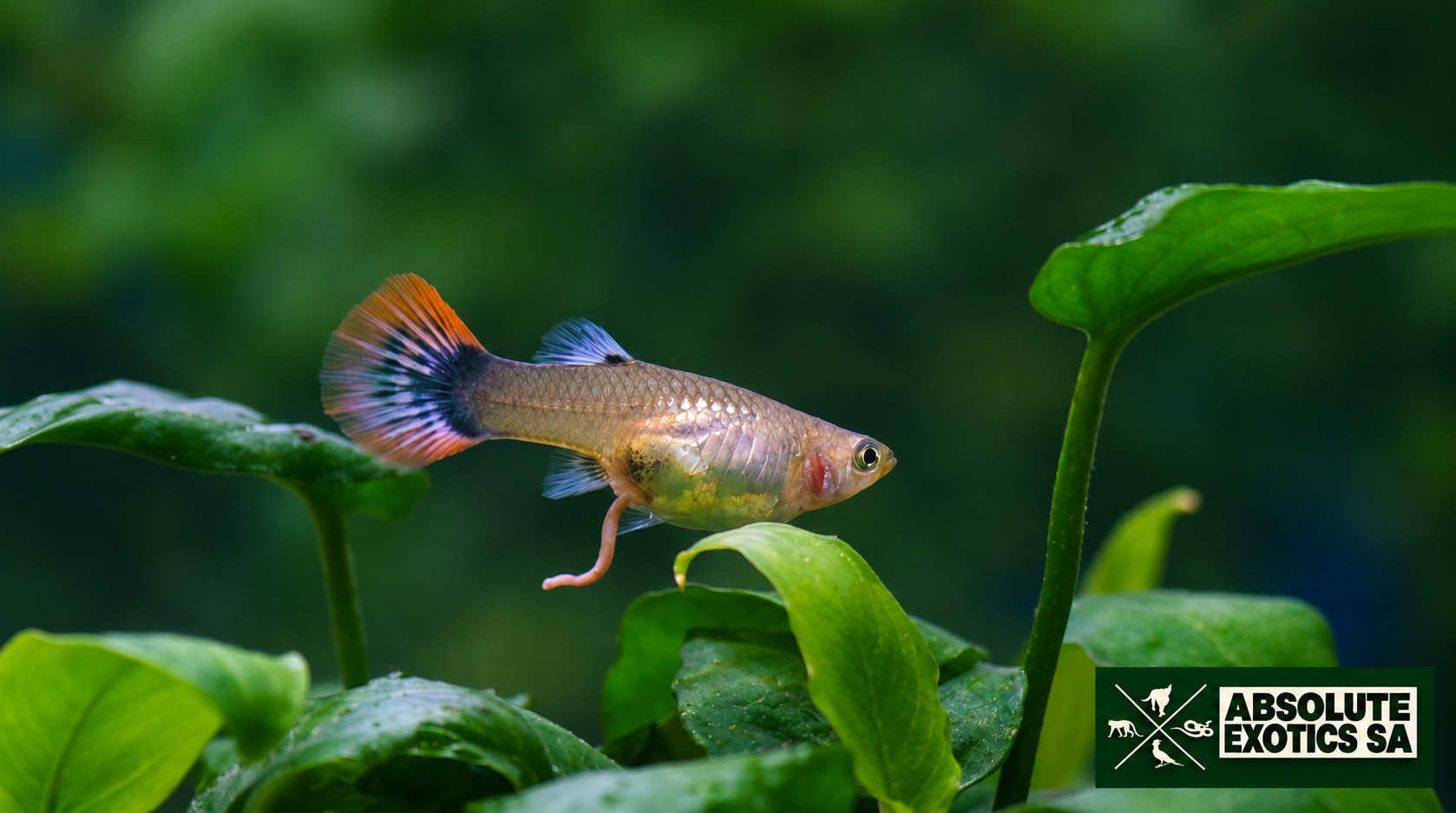
Research the species you would like to keep before buying an aquarium. Their adult size, activity level and social needs should guide your setup. A small fish in a pet shop may grow considerably, while some species need companions of their own kind.
Avoid choosing fish purely by colour or appearance. Compatible tankmates must share suitable water conditions and have temperaments that allow them to live together peacefully. There is no single stocking rule that works for every aquarium.
Create a Suitable Home:
Choose a properly equipped aquarium with enough swimming space for your intended fish. Bowls and tiny decorative containers make it difficult to provide stable conditions and effective filtration.
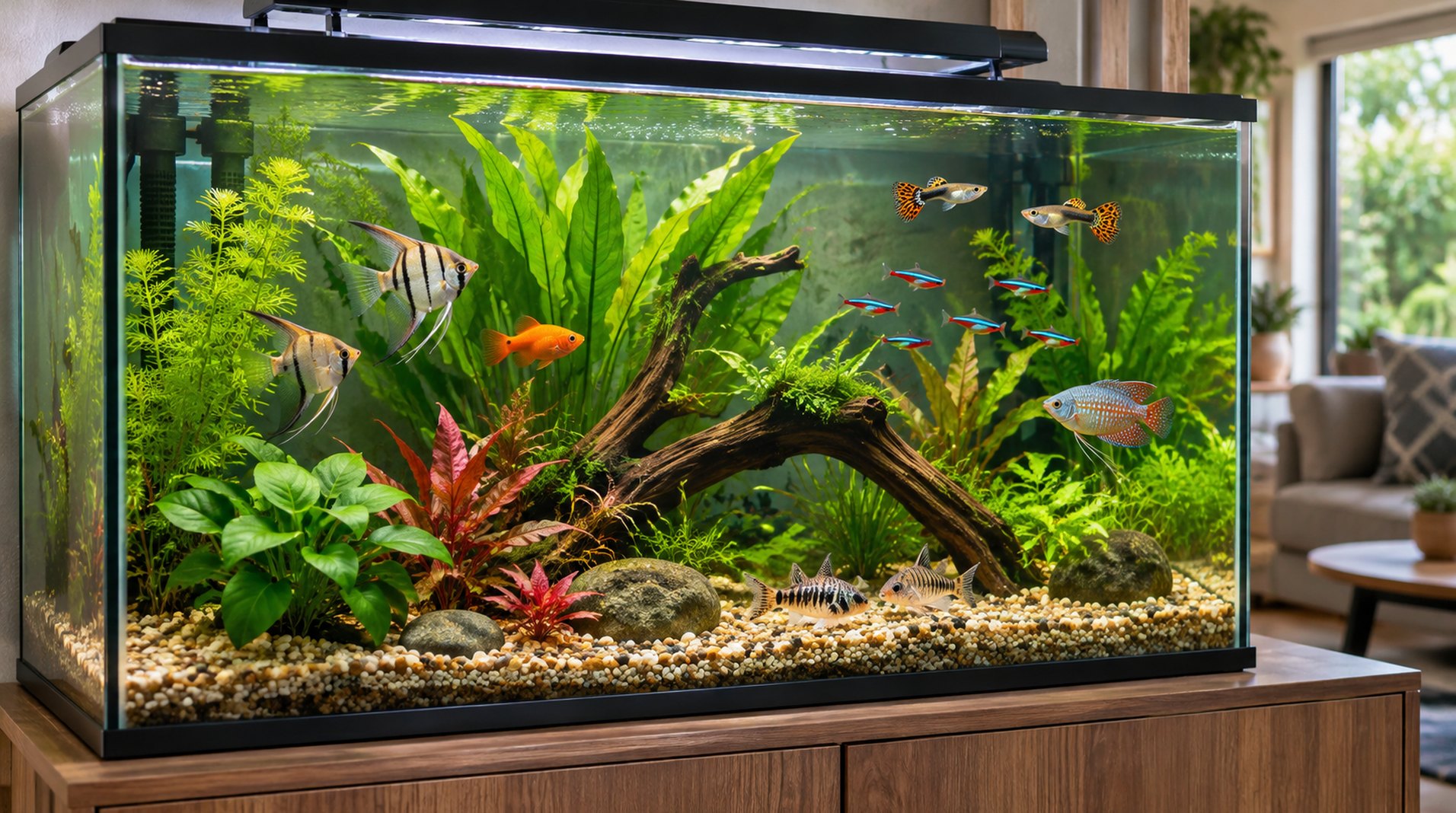
Your basic equipment should include a suitable filter, thermometer, aquarium water conditioner, water-testing kits and equipment for partial water changes. Tropical species generally need a thermostatically controlled heater. Plants and suitable decorations can provide shelter while leaving open areas for swimming.
Keep the aquarium away from direct sunlight and use lighting on a regular day-and-night schedule. Research the temperature requirements of your chosen species rather than assuming all freshwater fish need the same conditions.
Understand Aquarium Cycling:
One of the most important steps happens before your fish arrive: establishing the aquarium’s biological filter.
Fish waste and decomposing food produce ammonia. Beneficial bacteria convert ammonia into nitrite and then nitrate. Ammonia and nitrite are harmful to fish, so a new aquarium needs time to develop enough bacteria to process this waste.
A fishless cycle establishes these bacteria without exposing fish to unsafe conditions. It requires a controlled ammonia source, a running filter and regular testing. Simply filling the tank and leaving it running for a few days does not prove it is ready.
Follow a reliable fishless-cycling method and confirm through testing that the filter can process the added ammonia, with ammonia and nitrite returning to zero, before introducing fish. Bottled bacteria may help, but they do not replace testing.
Make Water Testing a Habit:
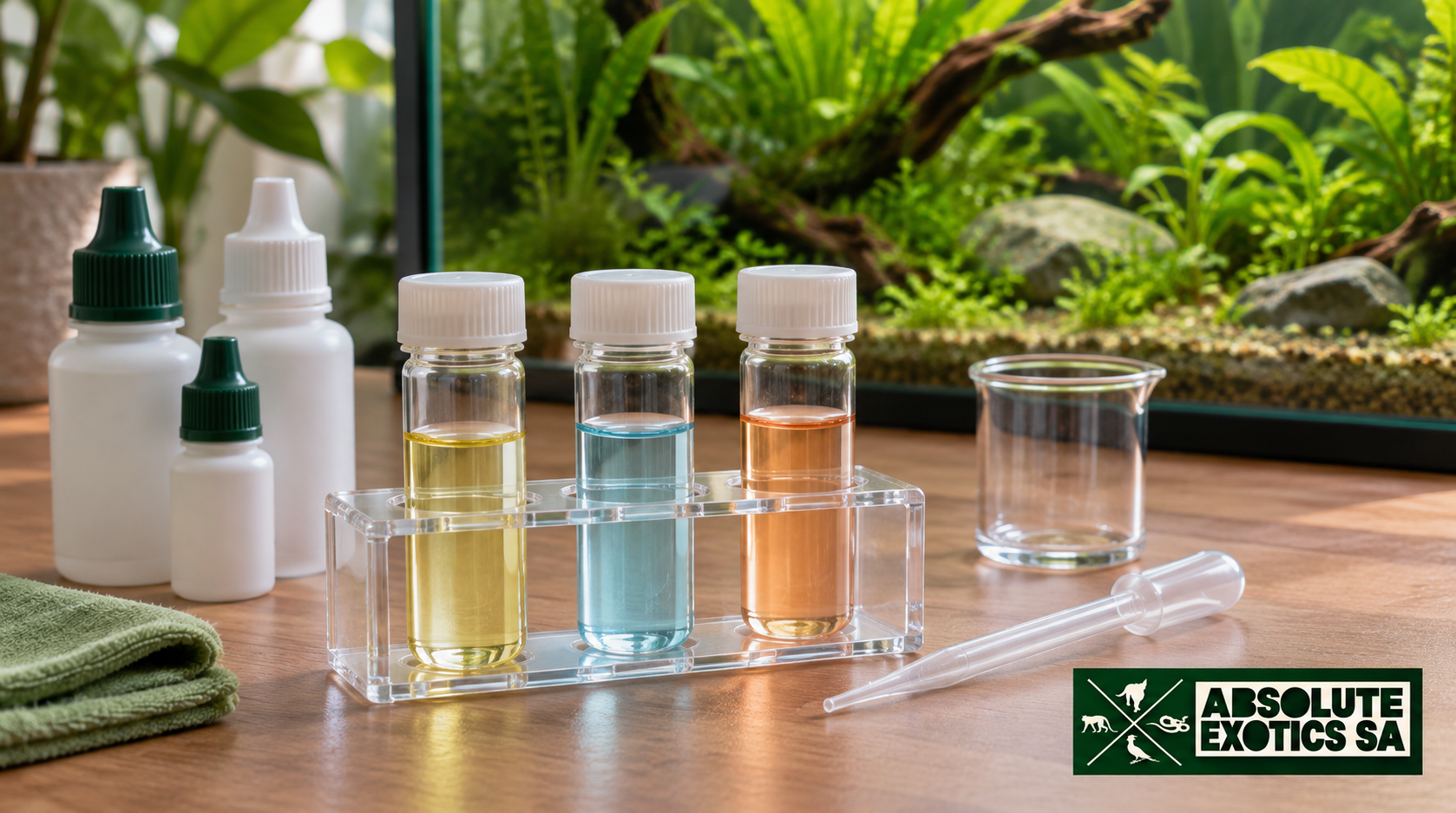
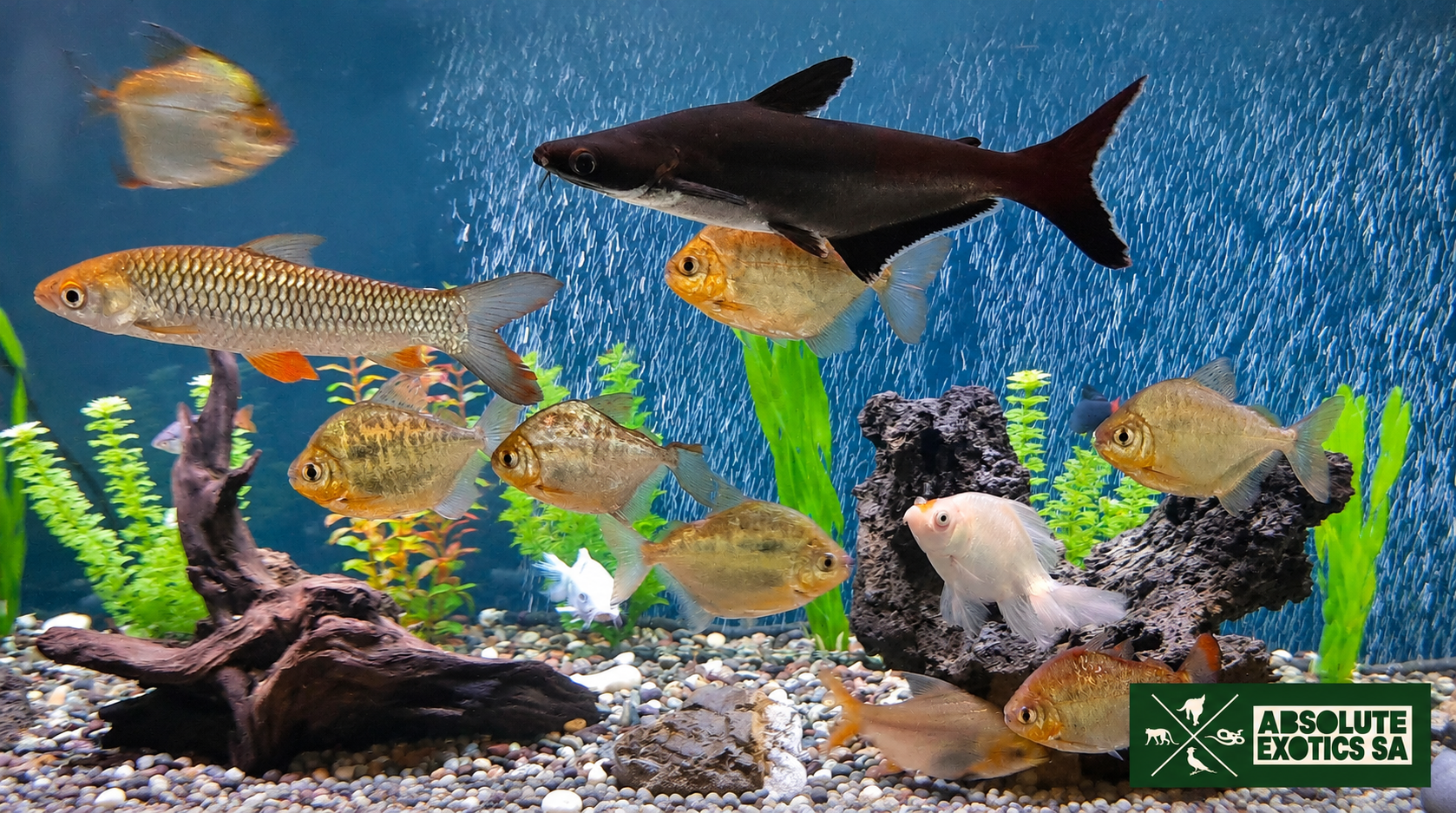
Clear water is not necessarily safe water. Use suitable test kits to monitor ammonia, nitrite, nitrate and pH, and understand the water hardness your species require.
In an established aquarium, ammonia and nitrite should read zero. Nitrate also needs monitoring and control through maintenance. Test at least weekly, more frequently during setup or after adding fish, and whenever behaviour changes.
Treat replacement tap water with an aquarium conditioner suitable for chlorine and chloramine, following the product’s instructions. These disinfectants can harm fish and the bacteria in your filter.
Introduce Fish Gradually:
Once the aquarium is ready, build up its population slowly. Adding too many fish at once can overload the biological filter and allow harmful waste levels to rise.
Ask your supplier for acclimatisation instructions suited to the species and transport conditions. Avoid sudden changes in temperature or water chemistry, and monitor your new arrivals closely as they settle in.
Feed for Your Fish’s Needs:
Choose food suited to each species and where it feeds. Surface feeders and bottom-dwelling fish may need different food types. Make sure every fish can access appropriate food.
Offer measured portions and remove uneaten food. Excess food adds to the aquarium’s waste load, so feeding more is not a substitute for feeding appropriately. Adjust feeding quantities and frequency to the species and life stage of your fish.
Keep Maintenance Gentle and Consistent:
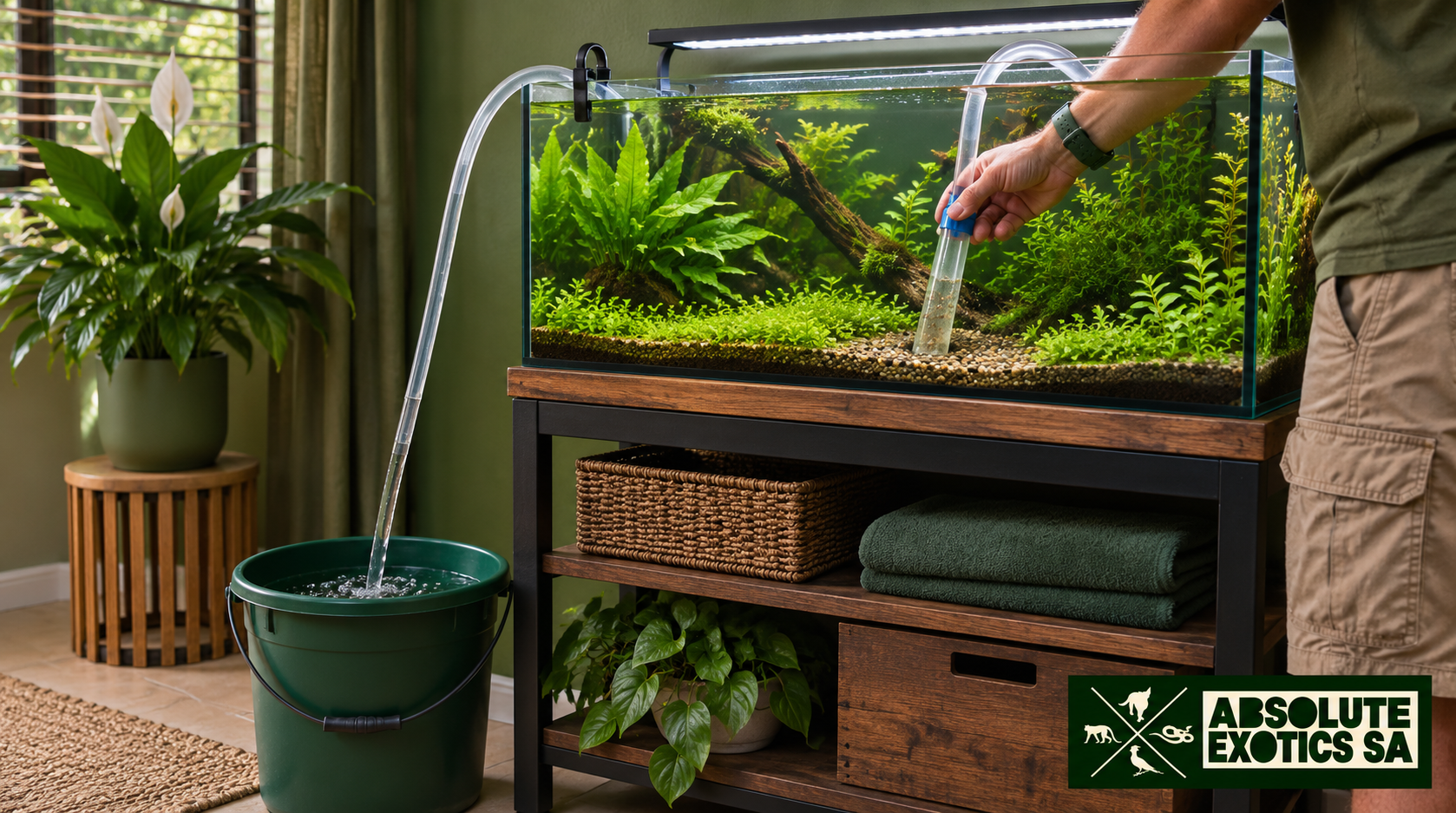
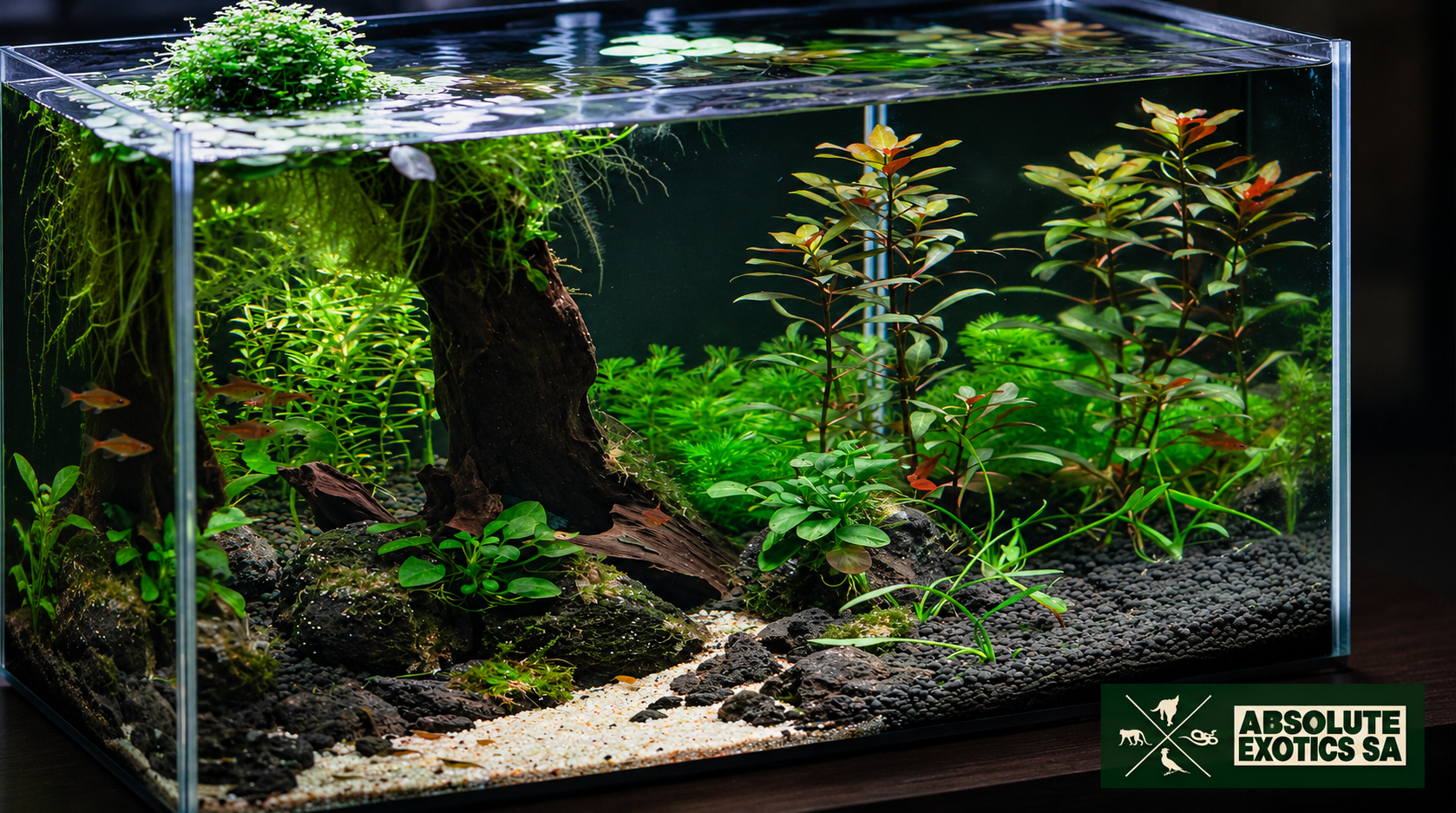
Partial water changes remove accumulated waste while helping to keep the aquarium stable. Around 20–25% weekly can be a starting point for many established freshwater setups, but adjust the amount and frequency to your test results and species’ needs. Treat replacement water and match its temperature appropriately before adding it.
When biological filter media needs cleaning, rinse it gently in water removed from the aquarium. Avoid washing it under untreated tap water, which can damage its beneficial bacteria.
Build Confidence Through Observation:
Spend a few minutes each day watching your aquarium. Learning how your fish normally swim, feed and interact makes changes easier to notice. Check that the filter is operating and the temperature remains suitable.
Start with a manageable setup and keep a simple record of water tests and maintenance. With preparation, patience and consistent care, your first aquarium can become a rewarding introduction to responsible fishkeeping.
 v