How to Cycle an Aquarium Before Adding Fish
At Absolute Exotics SA, we encourage new fish keepers to prepare their aquarium before bringing animals home. A tank can look clean and inviting while still being biologically unready for fish.
What Does Cycling an Aquarium Mean?
Fish release ammonia into their surroundings, and uneaten food and other organic waste produce more ammonia as they break down.
In an established aquarium, beneficial bacteria convert ammonia into nitrite, then other bacteria convert nitrite into nitrate. Ammonia and nitrite are harmful to fish. Nitrate is less immediately toxic, but it still needs monitoring and management.
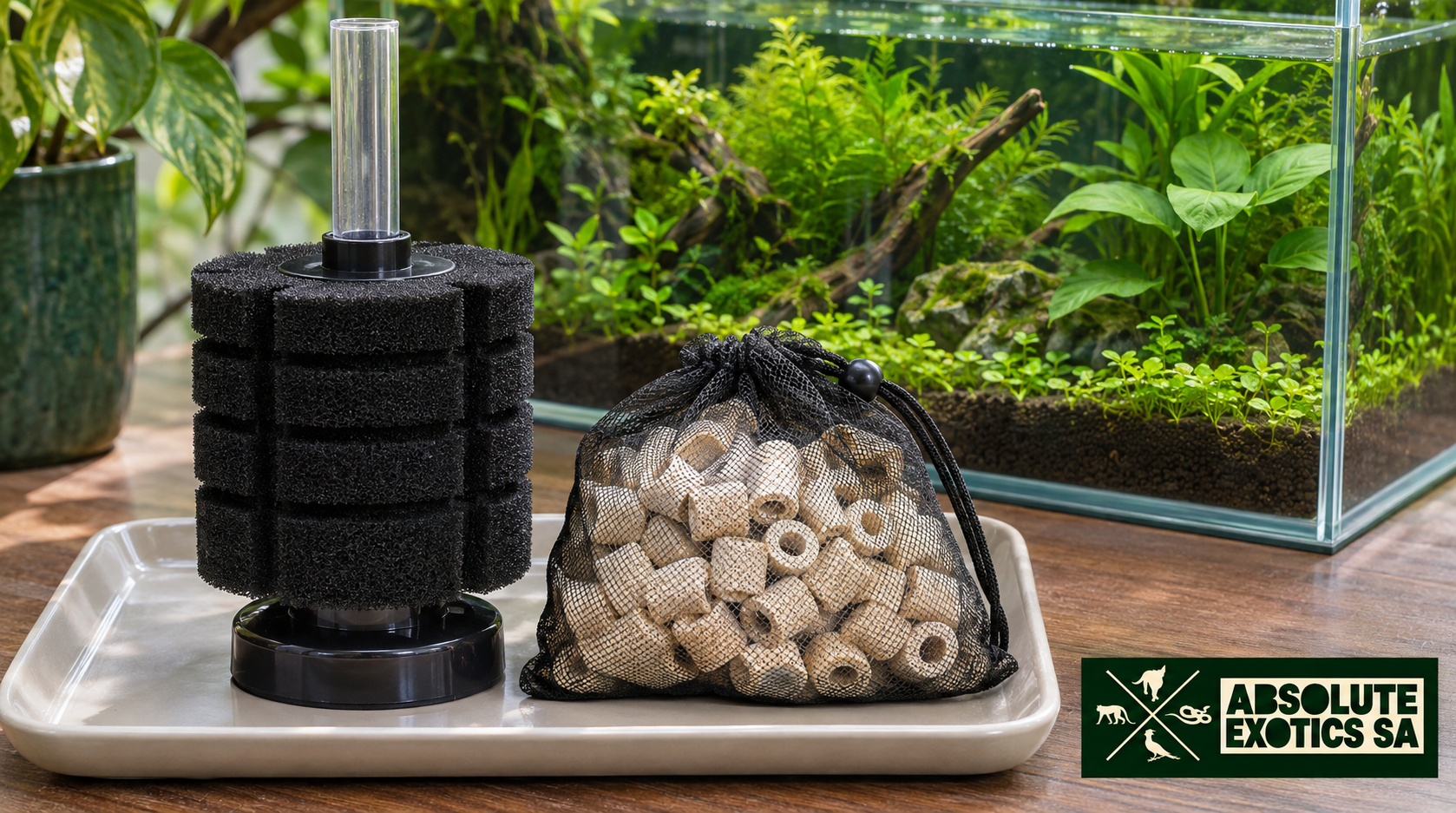
Cycling develops these bacterial communities so the aquarium can process waste when fish arrive. Much of this activity takes place on filter media and other surfaces, not simply in the water.
Why Choose a Fishless Cycle?
A fishless cycle allows the biological filter to develop without exposing fish to the ammonia and nitrite that can accumulate during startup.
Instead of using live fish to produce waste, you supply a controlled ammonia source. This feeds the developing bacteria while you monitor their progress.
Running a filter in clean water alone does not establish that it can handle fish waste. The bacteria need a food source, and you need test results showing that the aquarium can process it.
Step 1: Set Up the Aquarium and Equipment
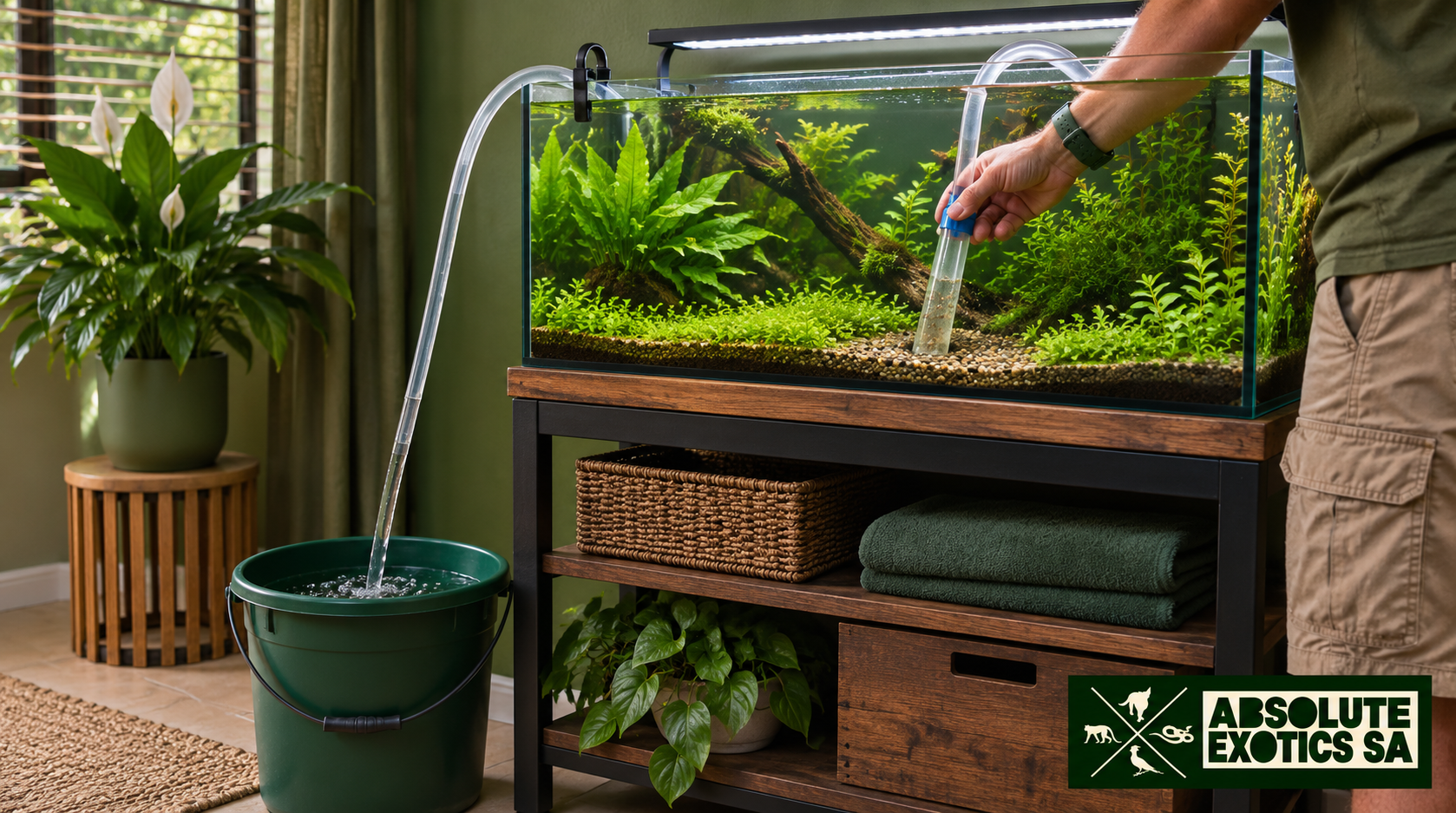
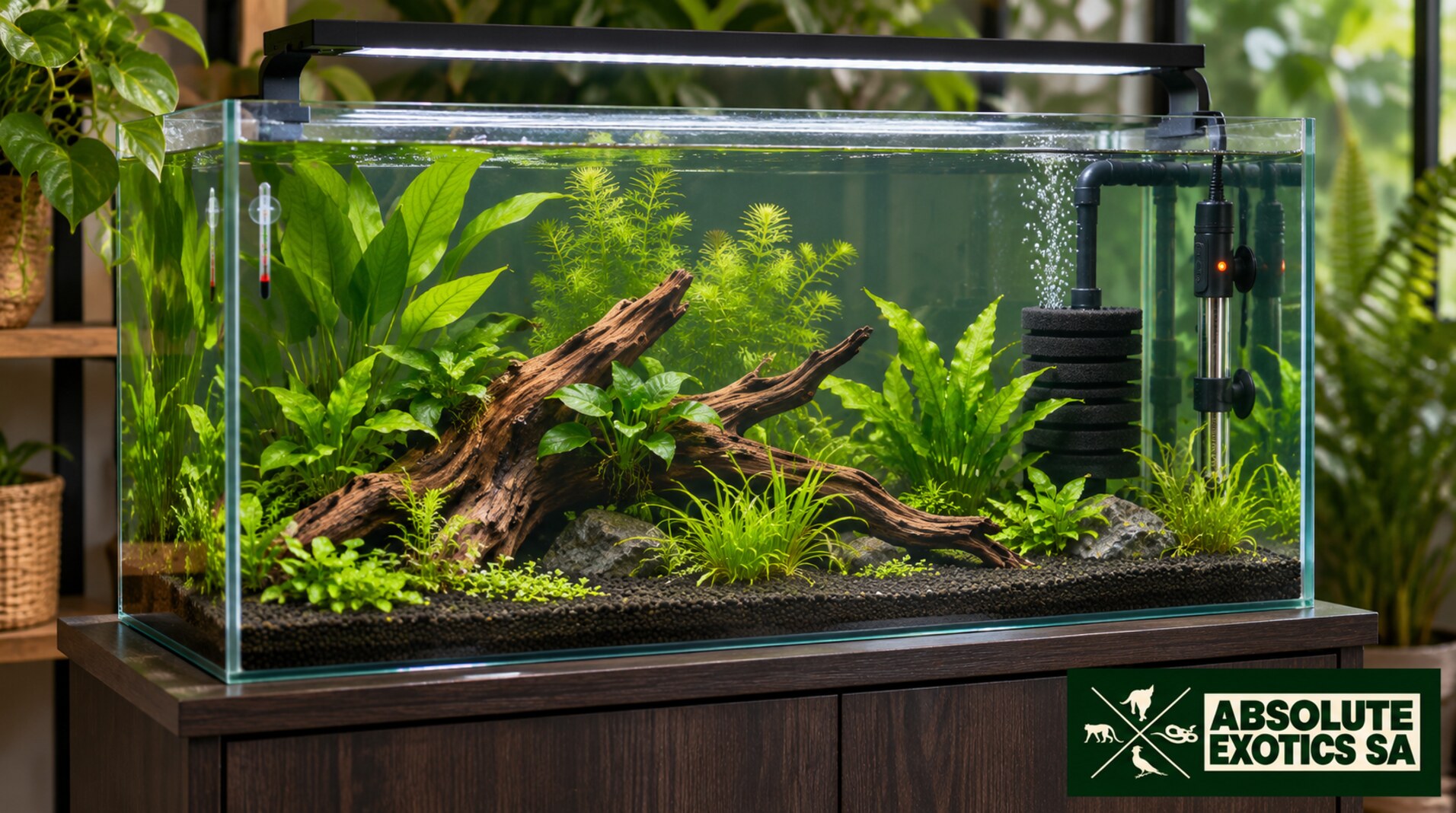
Install the aquarium’s filter, substrate and suitable decorations. Add water treated with an aquarium conditioner that addresses chlorine and chloramine, following its label instructions.
If your planned setup requires a heater, install it and check the temperature with a separate thermometer. Keep the filter running continuously and provide adequate water movement and aeration.
Have tests available for ammonia, nitrite, nitrate and pH before starting. Record initial readings, including nitrate in your source water, so you have a baseline for comparison.
Step 2: Add a Measured Ammonia Source
For a controlled approach, use an aquarium product specifically intended to supply ammonia during fishless cycling. Follow its instructions for your aquarium’s actual water volume, allowing for space occupied by substrate and decorations.
Do not guess the dose or use household cleaners containing fragrances, detergents or other additives.
Some methods use decomposing fish food as the ammonia source, but this is less predictable. Choose one reliable cycling method and follow it consistently rather than combining dosing instructions from different guides. Never add cycling ammonia to an aquarium containing fish or other animals.
Step 3: Test and Record Progress
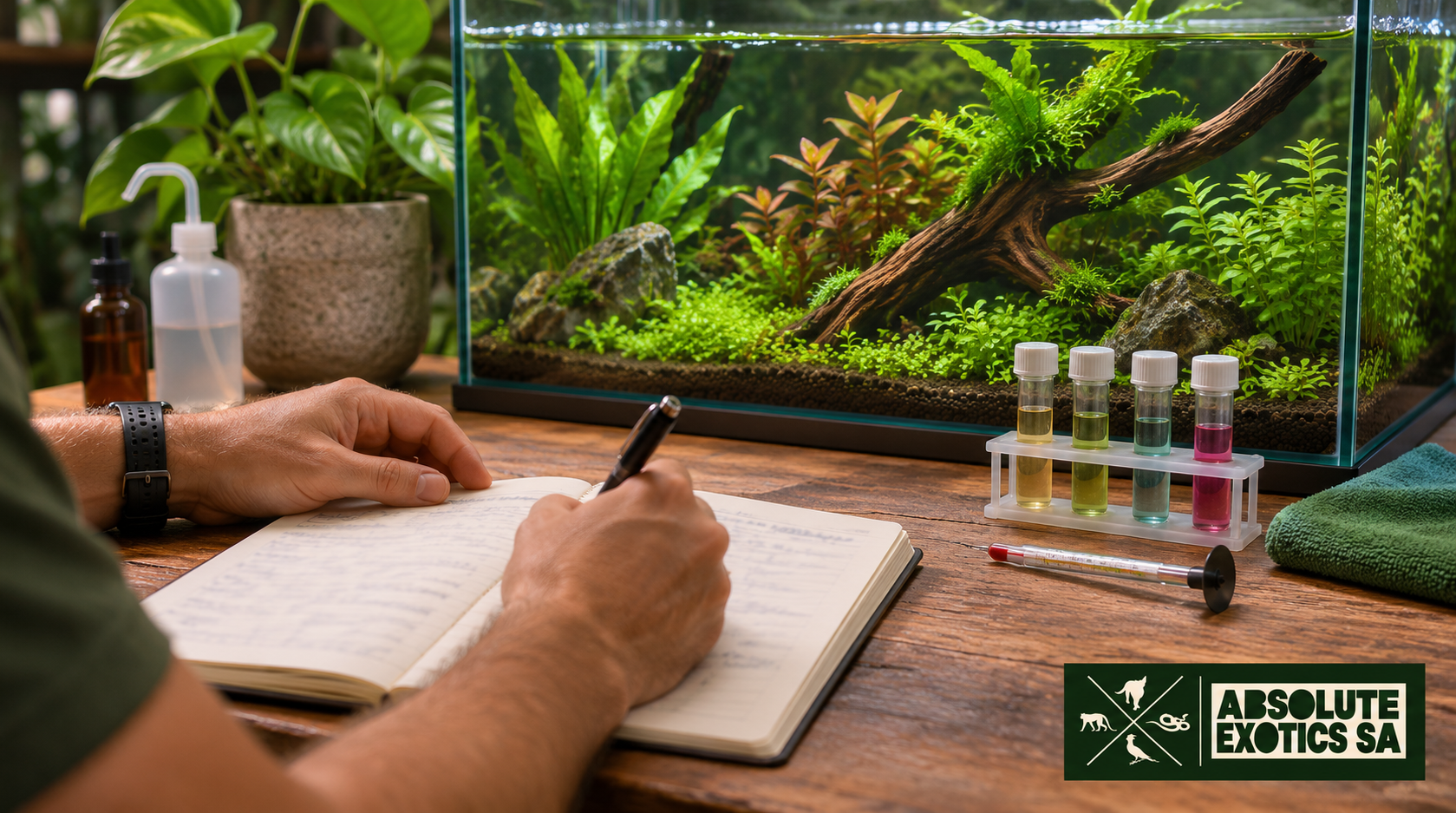
Test regularly throughout the process, following your chosen method. A simple notebook can record the date, ammonia, nitrite, nitrate, pH and any additions.
Typically, ammonia appears first. As ammonia-processing bacteria develop, nitrite becomes detectable. Later, nitrite falls as the next bacterial community becomes established.
The stages can overlap, especially when using mature filter media or bacterial starter products. Focus on the aquarium’s demonstrated ability to process ammonia rather than expecting every tank to follow an identical pattern.
Step 4: Give the Biological Filter Time to Develop
Cycling usually takes weeks, and there is no guaranteed completion date. Temperature, water chemistry, the ammonia source and the availability of suitable bacteria can affect progress.
Bacterial starter products may help establish the filter, but adding a bottle does not prove the cycle is complete.
Avoid replacing or thoroughly cleaning biological filter media during this period. If it needs attention, handle it gently and avoid untreated tap water, which can damage the bacterial community.
Step 5: Confirm the Aquarium Is Ready
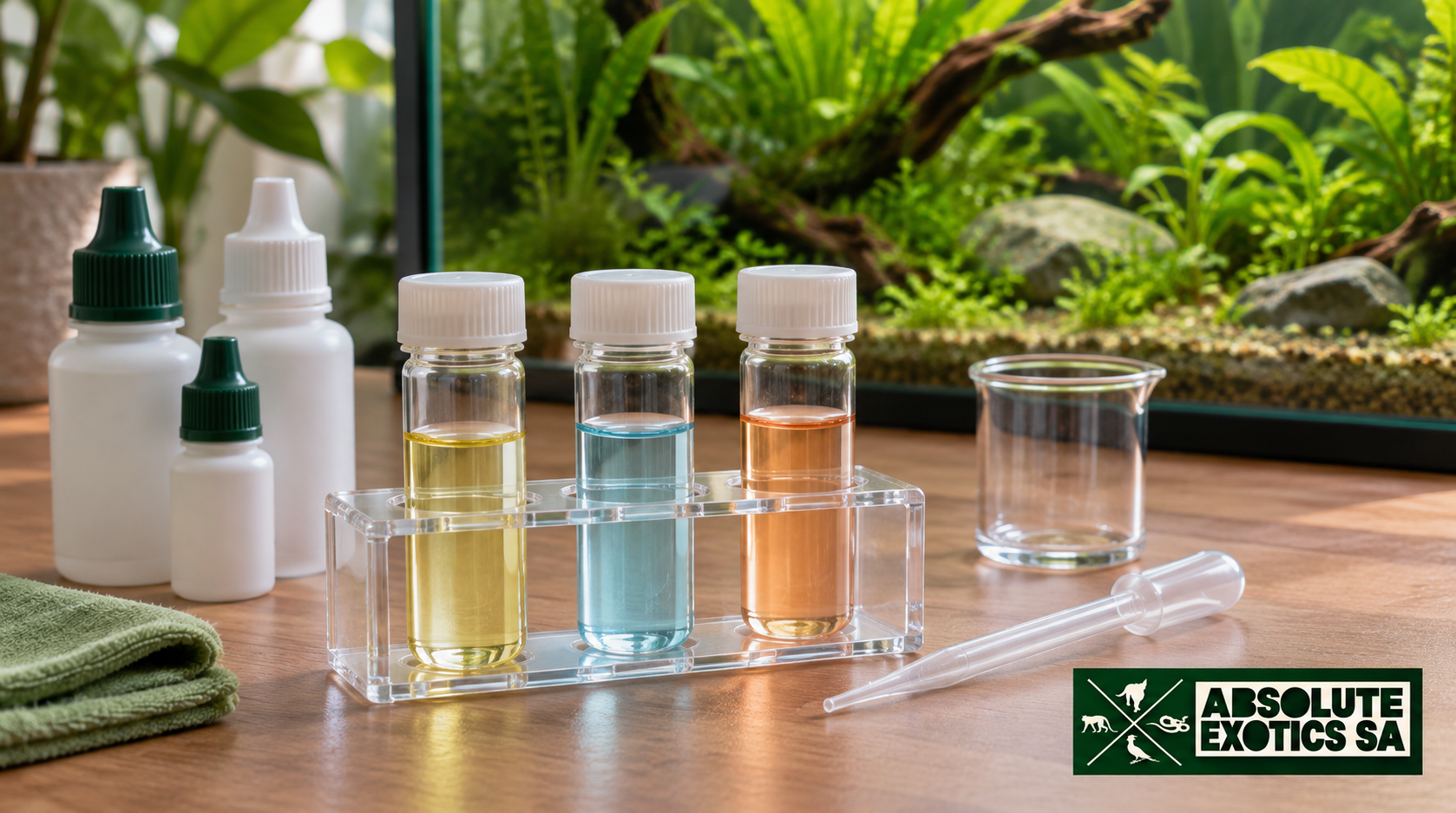
Do not judge readiness by clear water, elapsed time or the presence of nitrate alone. Your source water may already contain nitrate.
A completed fishless cycle must demonstrate that the filter can process a measured ammonia addition within the timeframe specified by your chosen cycling method, leaving both ammonia and nitrite at zero.
A zero reading before adding an ammonia source is not proof of a working biological filter. If you are uncertain, ask an experienced aquarium specialist to review your test record and dosing method before you buy fish.
Step 6: Prepare for Your First Fish
Once cycling is confirmed, perform a water change as needed to bring nitrate within the requirements of your intended species. Condition the replacement water and match its temperature appropriately.
Check ammonia, nitrite and temperature again before introducing fish. Keep the filter running, and introduce a modest initial group appropriate to the species’ social needs and the aquarium’s capacity.
Continue testing closely after introduction. A cycled filter has a limited processing capacity, so adding too many fish at once can still cause water-quality problems.
Common Cycling Mistakes to Avoid:
- Buying fish before the aquarium has demonstrated that it can process waste.
- Assuming a few days of running the filter is enough.
- Adding ammonia repeatedly without checking test results.
- Treating bottled bacteria as a substitute for testing.
- Replacing biological filter media during cycling.
- Adding the aquarium’s full intended fish population at once.
A Better Start for Your Fish:
Cycling is the first practical lesson in caring for an aquarium: the environment must be ready before the animals arrive. Taking the time to establish and test your biological filter gives your fish a safer start and helps you build confidence before their daily care begins.