In this guide, Absolute Exotics SA explains how to choose compatible freshwater fish and create a healthy, peaceful community aquarium suited to South African conditions.
1. Understanding Fish Compatibility
Fish compatibility refers to whether different species can live together without compromising their health or natural behaviour.
Before introducing fish into the same aquarium, consider:
- Temperament: Some fish are peaceful, while others are territorial or aggressive.
- Adult size: Small juvenile fish may grow large enough to eat smaller tankmates.
- Water requirements: Fish should have compatible temperature, pH and hardness needs.
- Social behaviour: Schooling species need appropriately sized groups.
- Aquarium size: Fish require enough swimming space, shelter and suitable filtration.
Remember: Fish can experience stress even when no visible fighting occurs.
2. Popular Freshwater Fish Available in South Africa
The following species are commonly represented in the South African aquarium trade, although availability varies between retailers.
| Fish Species | Adult Size | Temperament |
|---|---|---|
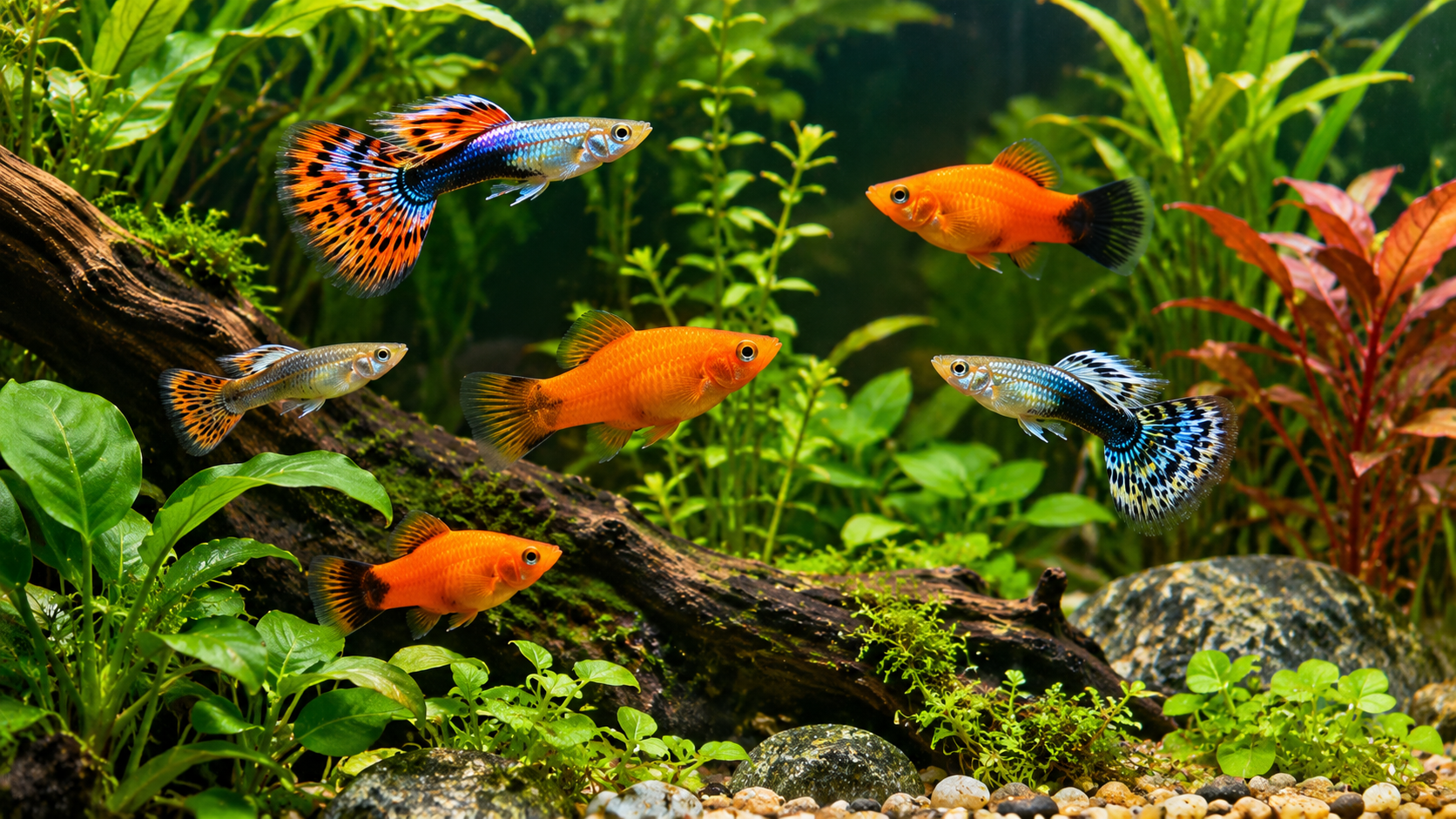
| Guppy | 3–6 cm | Peaceful |
| Platy | 4–7 cm | Peaceful |
| Molly | 6–12 cm, sometimes larger | Generally peaceful |
| Neon tetra | 3–4 cm | Peaceful, schooling |
| Harlequin rasbora | 4–5 cm | Peaceful, schooling |
| Zebra danio | 4–6 cm | Active, schooling |
| Corydoras catfish | 3–8 cm, depending on species | Peaceful, social |
| Betta | 5–7 cm, excluding extended fins | Territorial |
| Angelfish | Around 15 cm body length | Sometimes territorial |
Guppies, platies and harlequin rasboras are often good starting points for beginners, provided the aquarium meets their requirements.
Bettas and angelfish require more careful consideration when selecting tankmates.
3. Choosing Fish Based on Water Conditions
Water chemistry is one of the most important factors affecting compatibility.
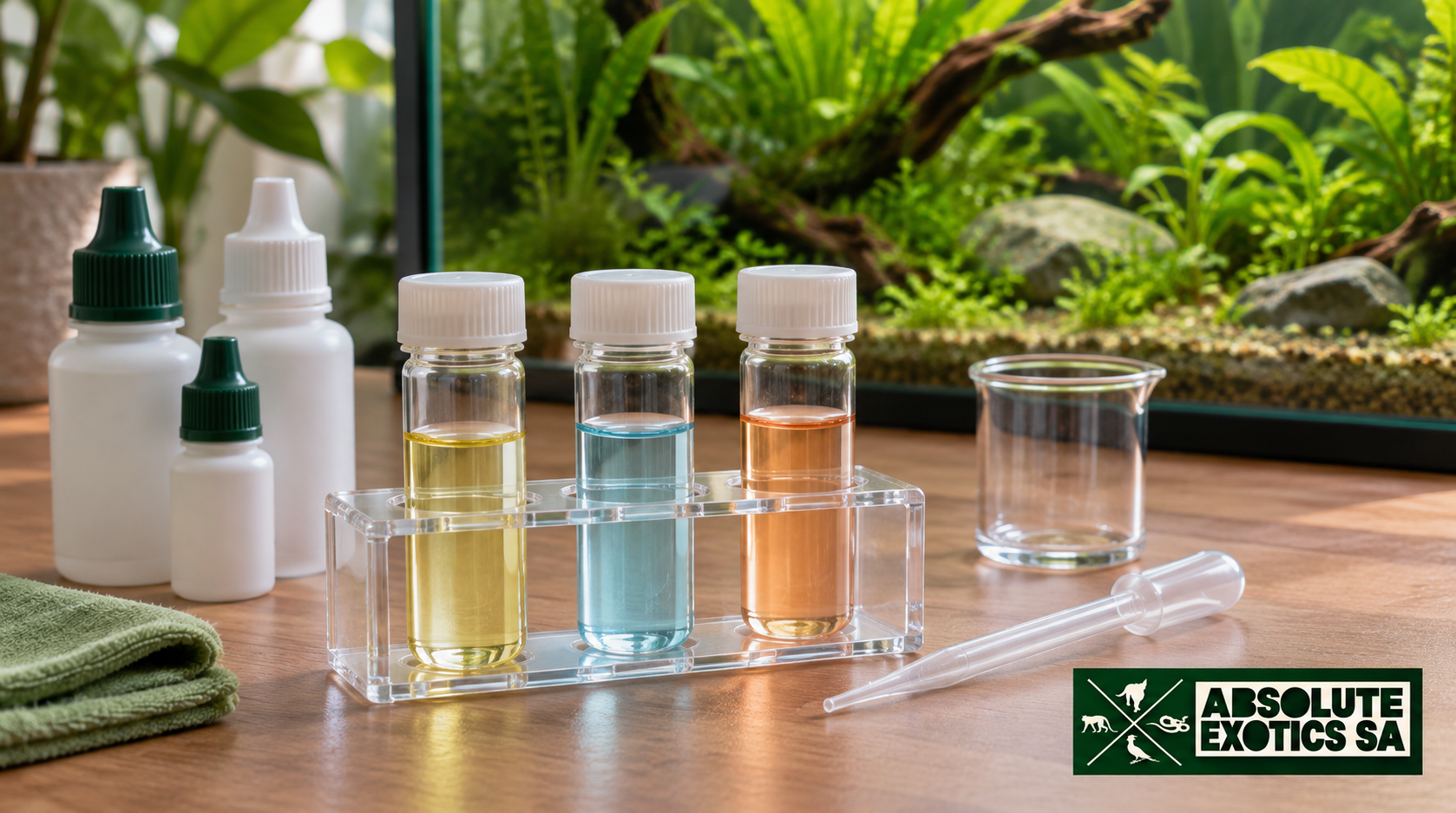
South African municipal and borehole water varies between regions, so aquarium owners should test their water before selecting fish.
General Water Preferences
| Fish Species | Temperature | Water Preference |
|---|---|---|
| Guppies | 22–28°C | Moderately hard to hard |
| Platies | 22–27°C | Moderately hard to hard |
| Neon tetras | 22–26°C | Soft to moderately hard |
| Harlequin rasboras | 23–28°C | Soft to moderately hard |
| Zebra danios | 18–25°C | Adaptable; generally cooler |
| Corydoras | Species-dependent | Varies by species |
These are general guidelines, not universal limits.
Important: Stable, appropriate water conditions are generally preferable to repeatedly adjusting pH with chemicals.
4. Recommended Fish Combinations for Beginners
Guppies and Platies
Suggested aquarium: 80–100 litres or larger.
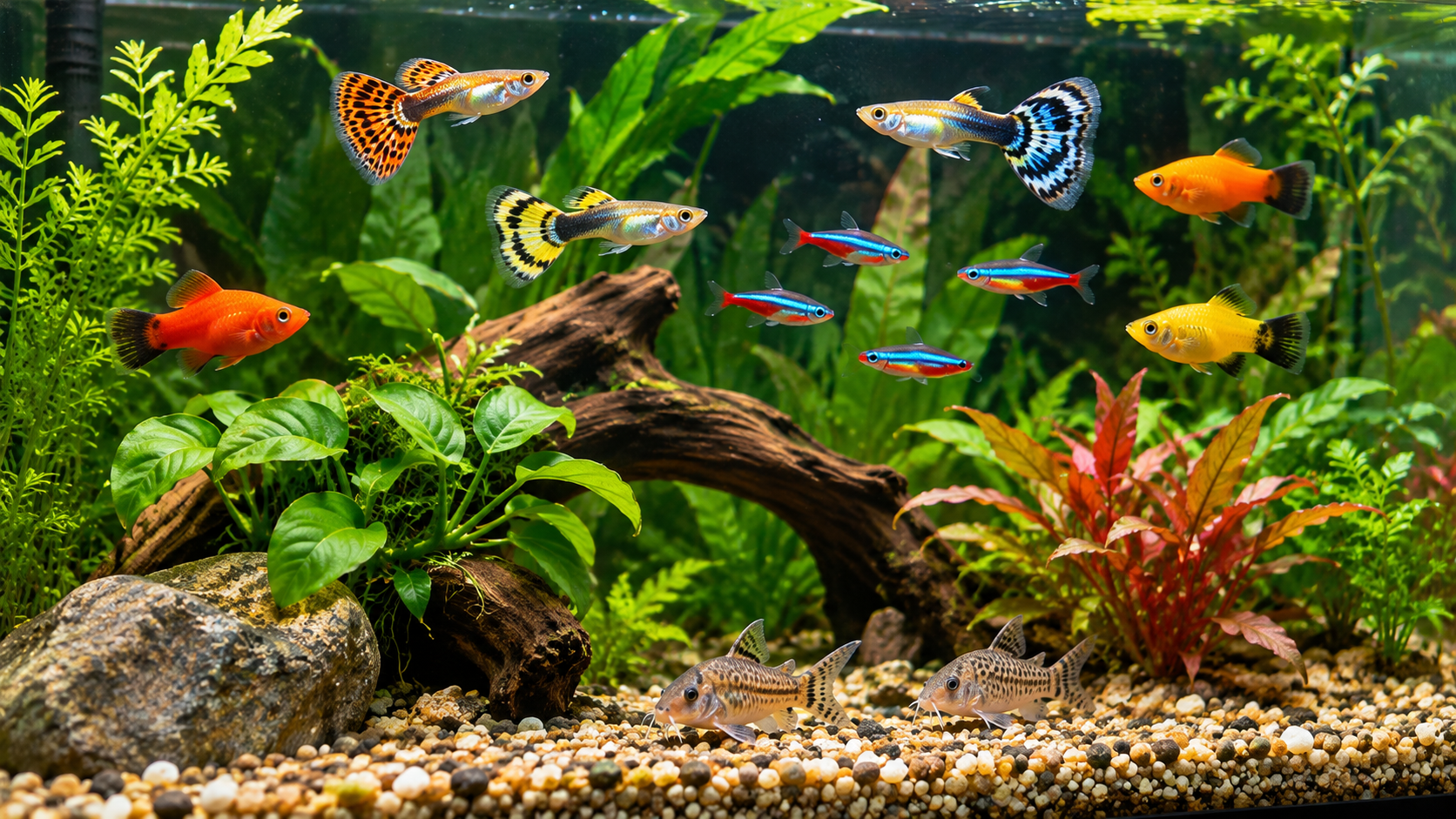
Both species generally prefer harder water and are peaceful. They make an attractive beginner community, but owners must plan for breeding and population growth.
Harlequin Rasboras and Corydoras
Suggested aquarium: 90–120 litres or larger.
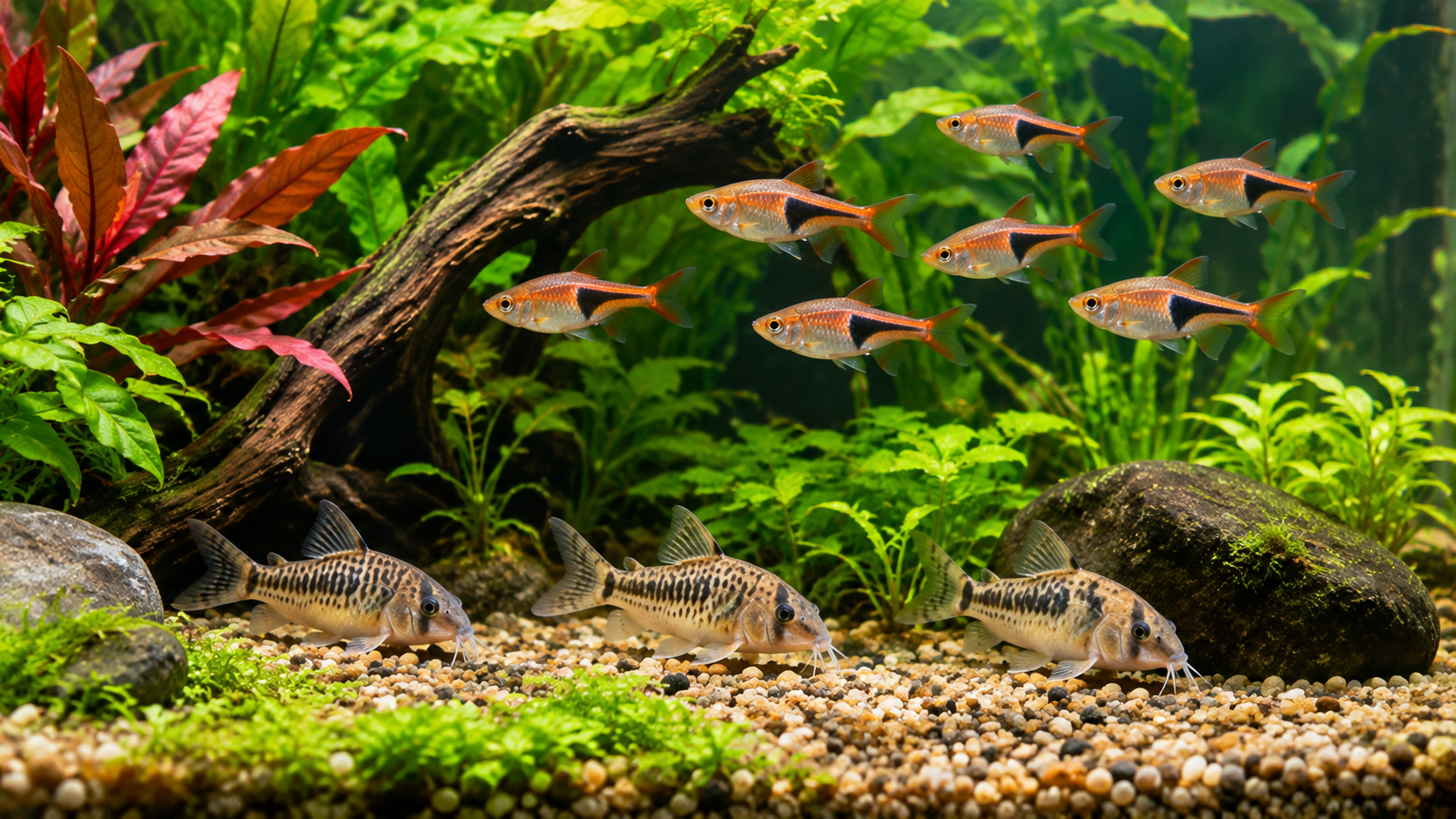
A peaceful combination for suitable planted aquariums. Keep rasboras in groups of approximately 8–10 or more and Corydoras in groups of at least six of the same species.
Single Betta Aquarium
Suggested aquarium: 40 litres or larger.
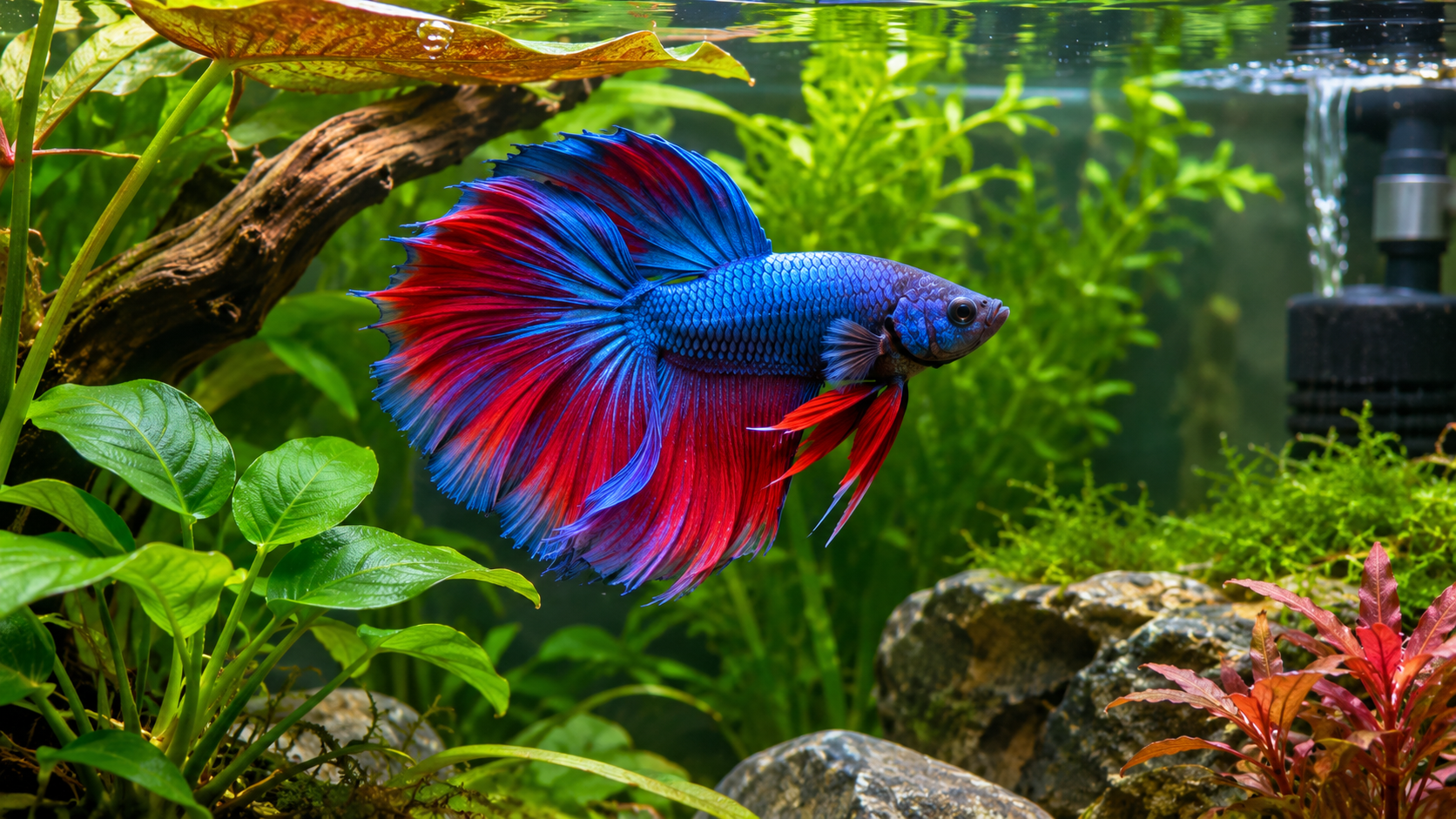
A properly equipped, planted aquarium for one male betta can be an excellent alternative to a mixed community. Provide gentle filtration, stable warmth and resting areas.
These are planning examples rather than fixed stocking prescriptions. Final fish numbers depend on aquarium dimensions, filtration and water quality.
5. Fish Combinations to Avoid
Some fish may be commonly sold but are unsuitable companions.
| Fish Combination | Reason |
|---|---|
| Two male bettas | Territorial aggression |
| Oscars and neon tetras | Smaller fish may be eaten |
| Angelfish and very small tetras | Predation risk |
| Tiger barbs and long-finned guppies | Fin-nipping |
| Goldfish and warm-water tropical fish | Different environmental requirements |
| Large aggressive cichlids and small community fish | Aggression and predation |
Always research the adult size and temperament of fish before purchasing them.
6. Schooling Fish and Social Behaviour
Many popular freshwater species naturally live in groups.
Neon tetras and harlequin rasboras generally benefit from groups of approximately 8–10 or more, while Corydoras should usually be kept in groups of at least six of the same species.
Keeping schooling fish alone or in very small groups may contribute to stress and abnormal behaviour.
However, never increase group sizes beyond what the aquarium can safely accommodate.
7. Introducing New Fish Into Your Aquarium
New fish should be introduced gradually to minimise stress and reduce disease risks.
- Check compatibility: Confirm that the species has suitable water and social requirements.
- Quarantine: Where practical, quarantine new fish in a separate, properly equipped aquarium. Around four weeks is a common precaution.
- Test water quality: Ensure ammonia and nitrite are undetectable using standard aquarium tests.
- Acclimate carefully: Follow a suitable acclimation procedure, avoiding prolonged exposure to opened transport-bag water.
- Monitor behaviour: Watch for aggression, excessive hiding, rapid breathing and feeding difficulties.
If persistent aggression occurs, separating incompatible fish may be necessary.
8. Special Considerations for South African Aquarium Owners
South African fishkeepers should consider several local factors.
Municipal and borehole water: Water hardness and pH vary between regions. Test your water and use suitable conditioner when required.
Electricity interruptions: Power outages can affect heating, filtration and oxygen levels. Battery-powered air pumps or suitable backup power systems can help protect fish.
Seasonal temperatures: Cold winters and hot summers may affect aquarium temperatures, particularly in areas with significant seasonal variation.
Environmental regulations: Certain alien and invasive aquatic species may be regulated under South African biodiversity legislation. Check current species-specific restrictions before purchasing, breeding or transporting fish.
Responsible rehoming: Never release unwanted aquarium fish or plants into rivers, dams or other natural waterways.
9. Common Beginner Mistakes
Avoid these common problems:
- Overstocking aquariums.
- Buying fish without researching their adult size.
- Mixing incompatible water requirements.
- Keeping schooling fish alone.
- Adding fish before the aquarium is fully cycled.
- Assuming bottom-dwelling fish replace aquarium cleaning.
- Introducing new fish without suitable disease precautions.
A successful aquarium requires appropriate stocking, regular maintenance and stable water quality.
Conclusion: Choosing the Right Fish for Your Aquarium
Creating a peaceful freshwater community aquarium starts with understanding the needs of each species.
South African aquarium owners have access to many attractive freshwater fish, but compatibility should always take priority over appearance.
By choosing fish with similar water requirements, providing sufficient space and maintaining a stable aquarium environment, owners can support healthier fish and more natural behaviour.
At Absolute Exotics SA, we believe responsible pet ownership begins with education, proper preparation, ethical sourcing and a commitment to animal welfare.